Sandwich Bread – Easy Sourdough Loaf Recipe
Introduction
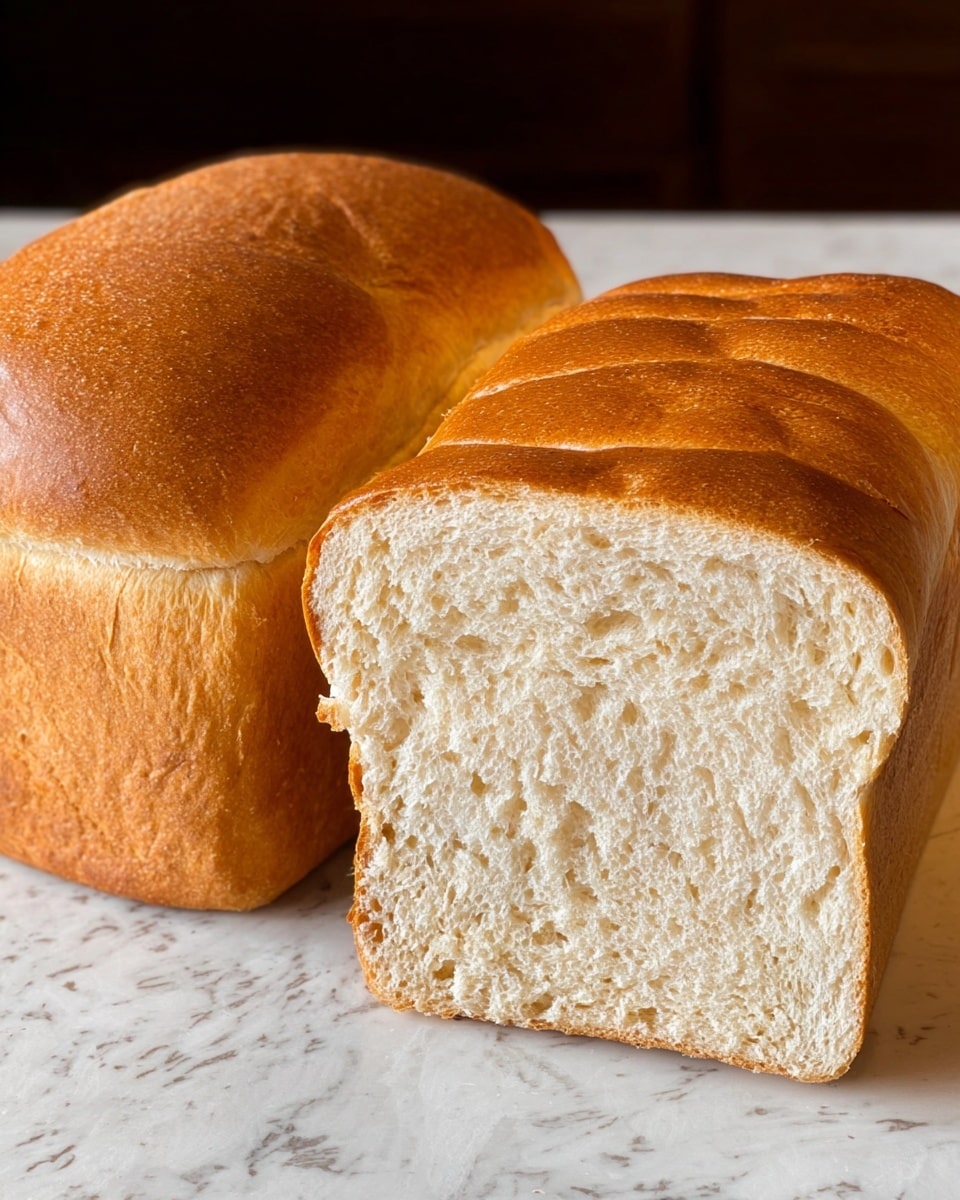
This easy sandwich bread recipe uses an active sourdough starter to create soft, flavorful loaves perfect for everyday use. With simple ingredients and an overnight fermentation, it yields two delicious loaves that are great for sandwiches or toast.
Ingredients
- 1 cup active sourdough starter
- 1 cup water (milk or buttermilk)
- 1 1/2 cups flour
- 2 tbsp fat (butter, oil, melted coconut oil, beef tallow, or 1 egg)
- 2 tbsp sweetener (honey or sugar)
- 2 tsp salt
- 1 1/2 cups milk or buttermilk (any kind; warm is best if your house is cool)
- 4 1/2 to 5 1/2 cups all-purpose or bread flour
Instructions
- Step 1: Feed your sourdough starter by mixing about 1/4 cup of it with 1 cup of flour and 2/3 cup warm water. Let it sit at room temperature until it becomes active and bubbly. This usually takes a few hours.
- Step 2: In a stand mixer bowl, combine 1 cup of the active starter, 1 cup water (or milk/buttermilk), and 1 1/2 cups flour. Mix on low speed with a dough hook for about a minute until combined. Cover the bowl and let this pre-ferment sit overnight at room temperature.
- Step 3: The next morning, add 2 tablespoons of your chosen fat, 2 tablespoons sweetener, 2 teaspoons salt, 1 1/2 cups warm milk (or buttermilk), and 4 1/2 to 5 1/2 cups flour to the pre-ferment.
- Step 4: Mix on low speed until all ingredients just come together, then increase the speed and knead with the dough hook for 8 to 10 minutes until the dough is smooth and elastic.
- Step 5: Transfer the dough to a greased bowl, cover, and let rise at room temperature until doubled in size, about 2 hours.
- Step 6: Punch down the dough and divide it into two equal portions. Shape each into a loaf and place them into greased loaf pans. Cover and let rise until the dough reaches the top of the pans.
- Step 7: Preheat your oven to 375°F (190°C). Bake the loaves for 30 to 35 minutes or until golden brown and hollow-sounding when tapped.
- Step 8: Remove the bread from pans and cool completely on a wire rack before slicing.
Tips & Variations
- For richer bread, substitute the fat with an egg and use buttermilk instead of water for a slight tang.
- If your kitchen is cool, warming the milk and fat slightly helps activate the dough better.
- Try adding herbs like rosemary or garlic powder to the dough for a flavored variation.
- Use bread flour for a chewier texture or all-purpose flour for a softer crumb.
Storage
Store the sandwich bread at room temperature in a sealed plastic bag or airtight container for up to 3 days. For longer storage, slice and freeze the bread in a freezer-safe bag for up to 3 months. To reheat, toast slices directly from frozen or warm the loaf in a 350°F (175°C) oven wrapped in foil for 10–15 minutes.
How to Serve
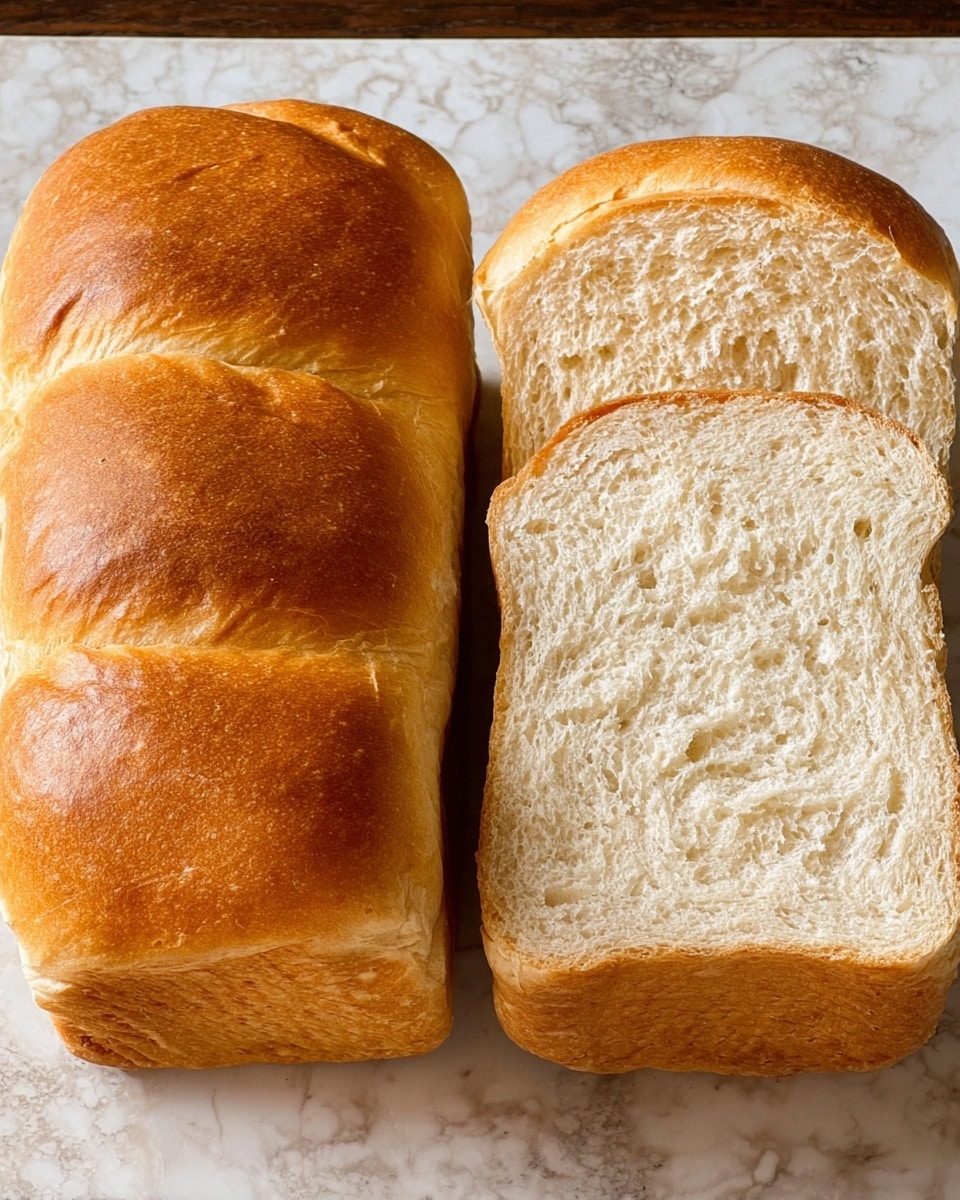
Serve this delicious recipe with your favorite sides.
FAQs
Can I use a different starter instead of sourdough?
This recipe is designed around a sourdough starter for natural fermentation and flavor. Using commercial yeast would require adjusting fermentation times and quantities.
How do I know when the starter is active enough?
An active starter will be bubbly, doubled in size, and have a pleasant tangy smell. It should pass the “float test” by floating in water, indicating good fermentation.
Print
Sandwich Bread – Easy Sourdough Loaf Recipe
- Total Time: About 12-14 hours including starter feeding and overnight fermentation
- Yield: 2 loaves 1x
Description
This easy sourdough sandwich bread recipe yields two soft, flavorful loaves perfect for sandwiches or toast. It uses a pre-ferment made from a fed sourdough starter which ferments overnight to develop complex flavors. The dough is enriched with fat, sweetener, and warm milk for a tender crumb and golden crust. The step-by-step method combines traditional sourdough fermentation with a stand mixer for ease, resulting in homemade bread with a delicate texture and slight tang—ideal for everyday use.
Ingredients
Starter and Pre-ferment
- 1 cup active sourdough starter
- 1 cup water (milk or buttermilk optional)
- 1 1/2 cups flour
Dough
- 2 tbsp fat (butter, oil, melted coconut oil or beef tallow; warm is best if house is cool; or 1 egg)
- 2 tbsp sweetener (honey or sugar)
- 2 tsp salt
- 1 1/2 cups milk or buttermilk (any kind, warm in winter, cold in summer)
- 4 1/2 – 5 1/2 cups all-purpose or bread flour
Instructions
- Feed Sourdough Starter: Start with about 1/4 cup of your sourdough starter, then feed it by adding about 1 cup of flour and 2/3 cup of warm water. Mix it well and let it sit at room temperature to become active and bubbly. This step typically takes place in the morning before baking.
- Combine Pre-ferment Ingredients: In the bowl of a stand mixer fitted with a dough hook, combine 1 cup of the active starter, 1 cup of water or milk, and 1 1/2 cups of flour. Mix on low speed for about one minute until combined. Cover the bowl and ferment the dough overnight at room temperature. This develops flavor and improves the dough’s texture.
- Mix the Bread Dough: The next morning, add to the pre-ferment the chosen fat (butter, oil, coconut oil, beef tallow, or an egg), sweetener (honey or sugar), salt, 1 1/2 cups warm or cold milk or buttermilk depending on season, and 4 1/2 to 5 1/2 cups of all-purpose or bread flour. Mix on the stand mixer until partially combined, then continue kneading until the dough is smooth and elastic.
- First Rise: Once mixed, cover the dough and allow it to rise at room temperature until it has doubled in size. This can take several hours depending on the ambient temperature.
- Shape Loaves: After the dough has doubled, divide it into two equal portions. Shape each portion into a loaf and place them into greased bread pans.
- Second Rise (Proofing): Cover the pans and let the dough rise once more until it has risen to just above the top of the pans, creating a nice dome shape.
- Bake the Bread: Preheat your oven to 350°F (175°C). Bake the loaves for about 30-40 minutes, or until golden brown on top and the internal temperature reaches about 190°F (88°C). The bread should sound hollow when tapped on the bottom.
- Cool the Bread: Remove the bread from the pans and transfer to a wire rack to cool completely before slicing. This prevents the bread from becoming gummy inside.
Notes
- You can scale this recipe up to make more loaves if needed.
- Feeding your sourdough starter generously before baking helps ensure strong fermentation.
- Using warm ingredients helps accelerate yeast activity in cooler environments.
- Fat choice can be varied between butter, oils, or egg depending on dietary needs and flavor preferences.
- Milk or buttermilk can be substituted; buttermilk adds a slight tang to the bread.
- Adjust flour quantity as needed based on dough consistency; the dough should be soft but not sticky.
- Allow bread to cool fully before slicing to maintain crumb structure.
- Prep Time: 20 minutes (plus starter feeding and overnight fermentation)
- Cook Time: 35 minutes
- Category: Baking
- Method: Baking
- Cuisine: American
Keywords: sourdough bread,sandwich bread,homemade bread,sourdough starter,bread baking,easy bread recipe